
Walk-In Cooler Failure? A Restaurant Owner’s Guide to Refrigerator Repair in NYC
Marco found out at 7 a.m. on a Saturday. He walked into his Bushwick kitchen to start prep for brunch, opened the walk-in, and felt it immediately. No cold blast. The thermometer on the wall read 52 degrees, and behind that door sat about $4,000 worth of proteins, dairy, and produce. His first call was to his chef. His second was a frantic search for refrigerator repair in NYC that could get someone there before service.
If you run a restaurant, you’ve either lived some version of that morning or you’ve had nightmares about it. A walk-in cooler is the heart of a commercial kitchen. When it stops, everything else starts bleeding money.
This guide covers what to do in the first hour, the most common reasons walk-ins fail, and how to keep it from happening again. No fluff. You’ve got a kitchen to run.
The Clock Starts the Moment the Temperature Climbs
Here’s the part every operator knows but nobody likes thinking about. Food safety rules don’t care why your cooler failed.
The FDA Food Code, which forms the basis for most health department rules around the country, calls for cold-held foods that need temperature control to stay at 41°F or below. Once product sits above that line for too long, it becomes a liability rather than inventory. A widely used rule of thumb is four hours, and in practice many operators discard sooner when they can’t prove how long things sat warm. That’s why you want a written temperature log going the minute you notice a problem.
And yes, a health inspector who walks in during a cooler failure will want to see how you handled it. Documented temps, product moved or discarded, a repair call placed. That paper trail protects your grade.
What to Do in the First Hour
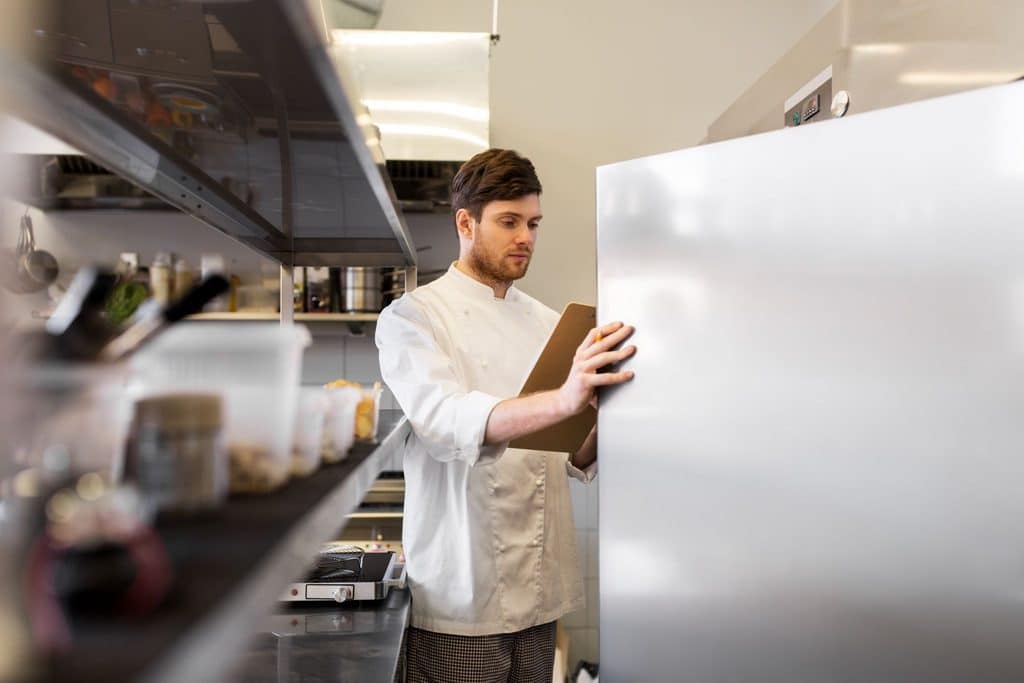
Panic is natural. Acting fast and in the right order is better.
- Keep the door shut. Every opening dumps cold air. Assign one person to go in only when needed.
- Check the obvious. Look at the breaker, confirm the unit has power, and make sure nobody bumped the thermostat.
- Inspect the door. A torn gasket, a door propped by a stray box, or missing strip curtains can quietly push a walk-in past its limit.
- Look at the condenser. If it’s blocked by boxes or caked in grease and dust, it can’t shed heat.
- Move high-risk items. Shift proteins, dairy, and prepared foods into working reach-ins or onto ice.
- Start logging temperatures. Note the time and reading every 30 minutes.
If the unit is iced over, don’t chip at the coil with a knife. I’ve seen that turn a service call into a refrigerant leak more than once. Call a technician.
Why Walk-In Coolers Fail (Usually)
Most walk-in failures come down to a handful of culprits. Knowing them helps you describe the problem on the phone, which helps a technician show up with the right parts.
Dirty or blocked condenser coils
This is the big one in NYC kitchens. Condensers on rooftops collect soot and debris. Indoor units near cooking lines pull in grease. A dirty coil makes the compressor run hotter and longer until something gives. Cleaning them a few times a year is one of the least expensive things you can do to protect the whole system.
Iced evaporator coils
If the fans inside are running but the air isn’t cold, look up. A coil wrapped in ice can’t absorb heat. The cause is often a failed defrost timer or heater, a bad evaporator fan motor, or warm, humid air sneaking in through a bad door seal.
Refrigerant leaks
Slow leaks show up as a cooler that gradually struggles more each week. You might notice it running constantly without ever reaching a setpoint. This needs a licensed technician, full stop.
Compressor problems
The expensive one. Sometimes it’s just a failed start component, which is an easy fix. Sometimes the compressor itself is done. On an older system, that’s when the conversation shifts from repair to replacement, and the same logic from this honest guide to repair or replace decisions applies to commercial equipment too: weigh the unit’s age, repair cost, and how often it’s been breaking.
Summer Is Hard on Every Cooler in the City
Walk-ins don’t live in isolation. When the kitchen gets hot, they work harder. When the rooftop hits 100 degrees in July, the condenser struggles to shed heat. And if your building’s air conditioning goes down during service, the cooler starts fighting a losing battle within hours.
That’s why failures cluster in the hottest weeks of the year, right when repair companies are busiest. It’s the same reason round-the-clock service matters so much for cooling systems, which this piece on why 24/7 emergency AC service matters in summer covers in more detail. If your kitchen’s air conditioning and refrigeration are both on their last legs, fix the AC. It takes pressure off everything else.
Prevention Costs Less Than One Bad Saturday
Let’s be honest. Most restaurant owners don’t think about the walk-in until it breaks. You’re busy. It hums along. Why mess with it?
Because one failure can cost more than years of maintenance. Lost product, comped tables, a scrambled menu, staff overtime, maybe a closed day. Compare that to a technician visiting a few times a year to clean coils, check refrigerant levels, test the defrost system, and replace a worn gasket before it rips.
A few habits help between visits. Keep a temperature log every shift, not just when things feel off. Don’t overload shelves so tightly that air can’t circulate. Replace torn strip curtains. And listen. A new rattle, a compressor that runs nonstop, or frost building where it shouldn’t are all early warnings.
The USDA Food Safety and Inspection Service also publishes practical guidance on handling perishables during power outages and equipment failures. It’s worth having your managers read before a crisis, so nobody’s guessing at 7 a.m. on a Saturday.
What to Look For in a Commercial Refrigeration Partner
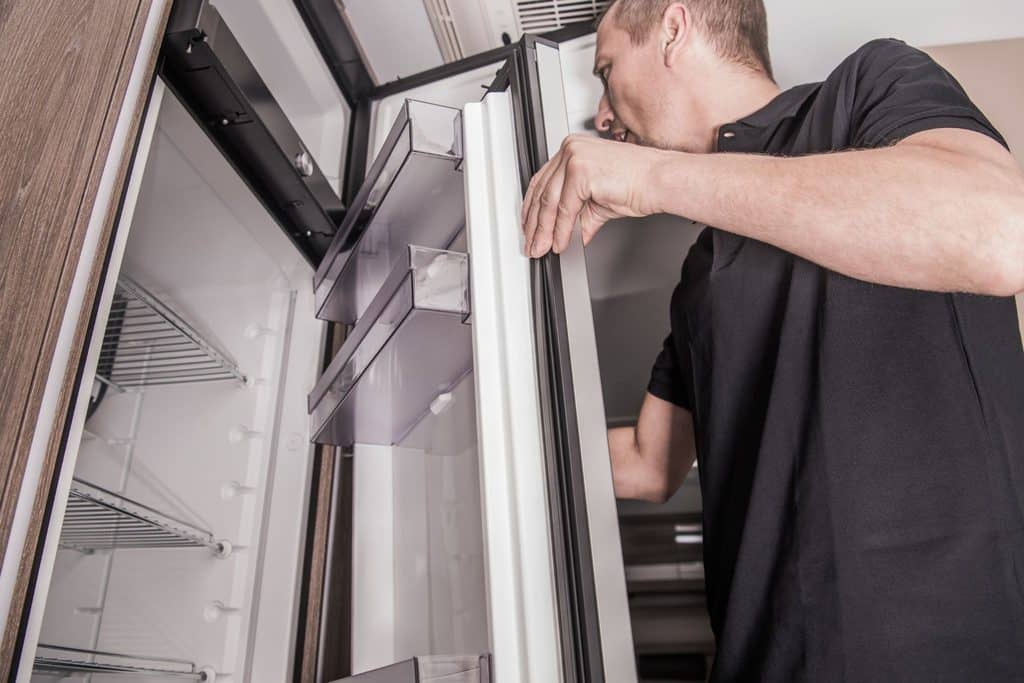
Not every refrigerator repair company handles commercial walk-ins. Residential fridge repair and commercial refrigeration are different trades, with different equipment, different refrigerants, and very different stakes.
Ask whether the company is licensed and insured in New York. Ask if their technicians are in-house or subcontracted. Confirm they answer emergency calls at night and on weekends (restaurants don’t break down on a 9 to 5 schedule). And ask about maintenance contracts, since a partner who already knows your equipment will diagnose faster when something does go wrong.
Upfront pricing matters too. When you’re watching inventory warm up, the last thing you need is a surprise invoice.
Need Help Now? Call a Team That Knows Commercial Kitchens
If your walk-in is warming up right now, or you’d rather set up maintenance before summer turns the screws, Americare can help. They’ve handled refrigerator repair in NYC for restaurants, delis, schools, and institutions since 2010, with more than 13,000 customers served across all five boroughs and Westchester. Their licensed, in-house technicians respond 24/7, price jobs honestly before work starts, and offer commercial service partnerships designed to keep your kitchen running without surprises.
You can contact the Americare team here for emergency service or to talk through a maintenance plan that fits your operation.
Final Thoughts
Marco’s cooler that Saturday? A seized evaporator fan motor. The technician had it running within two hours, and they saved most of the product because his team kept the door shut and moved the proteins right away. He signed a maintenance agreement the following week.
That’s really the lesson. You can’t stop every breakdown. But you can decide ahead of time who you’ll call, train your staff on the first hour, and keep up the small maintenance that prevents big disasters. Your walk-in works hard for you every single day. Give it a little attention back.
