
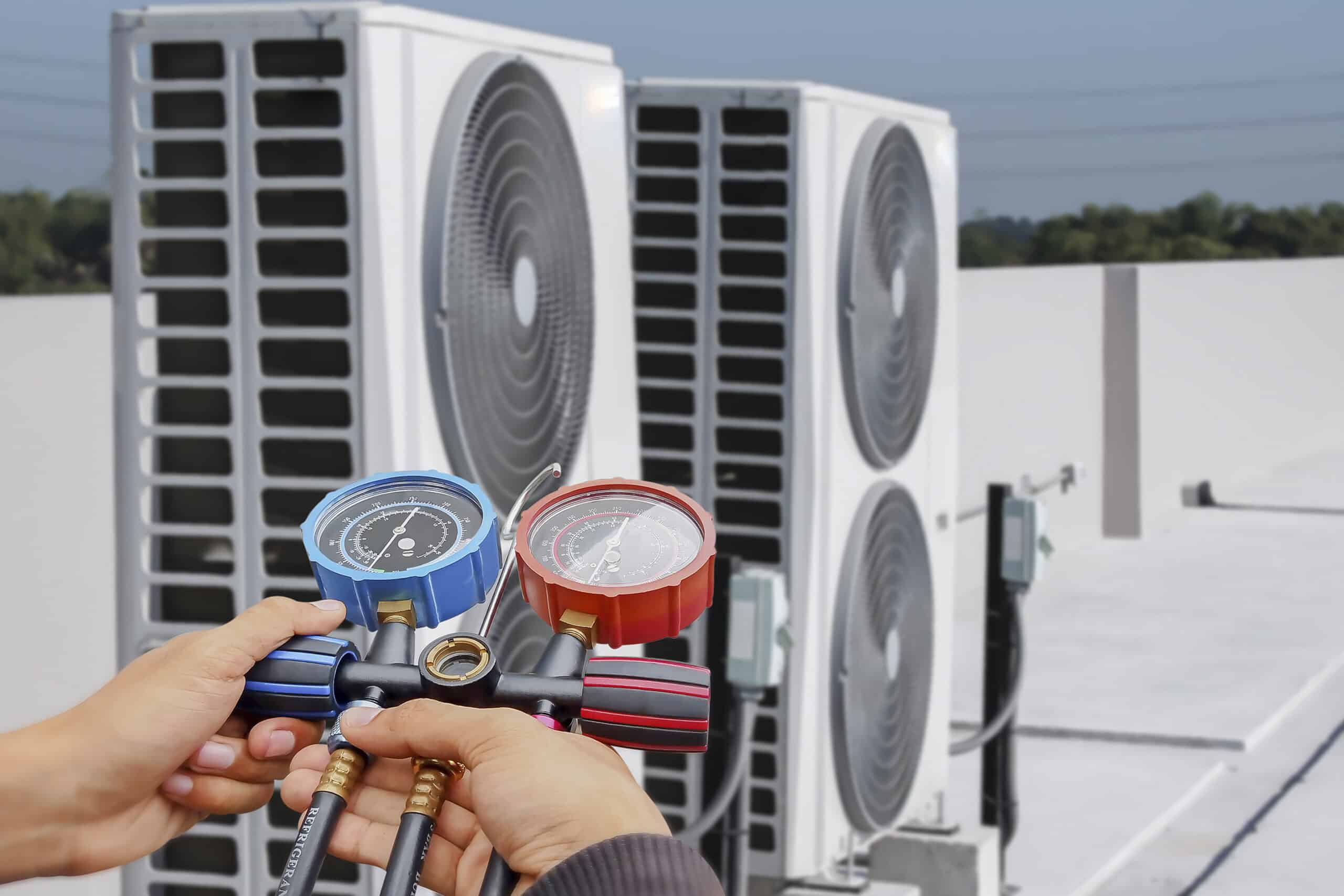
Commercial HVAC NYC: Protecting Your Business From Costly Downtime
It’s 6:40 on a Friday evening in July. The dining room is full, the line cooks are sweating through their jackets, and someone just noticed the air coming out of the vents is warm. Not cool. Not “a little off.” Warm.
If you run a business in New York, you probably know a version of this story. Maybe it was a retail floor that turned into a sauna during a sale weekend, or an office where the heat quit on the coldest Monday in January and half the staff went home. The details change. The math doesn’t. Every hour your system is down, you’re losing money, customers, and a bit of your reputation.
So let’s talk about how to keep that from happening, and what to do when it does anyway.
Downtime Costs More Than the Repair Bill
Most owners budget for the repair itself. Few budgets for everything that falls apart around it.
Think about a mid-sized restaurant in Midtown. When the cooling fails during service, you don’t just pay a technician. You comp meals. You lose tables that walk out before they order. Your staff works slower in the heat, and some of them start quietly looking at job listings. If the kitchen gets hot enough, your refrigeration equipment starts working overtime too, which is how a single HVAC failure turns into a second, more expensive problem.
Retail has its own version. Customers don’t linger in a stuffy store. They leave, and they don’t always come back. Offices lose productivity in ways that never show up on an invoice but absolutely show up in the quarterly numbers.
Here’s the part that stings: a lot of this is preventable. Energy waste alone is a quiet drain that most businesses never notice. According to ENERGY STAR’s guidance for commercial buildings, roughly 30 percent of the energy used in commercial buildings is wasted, and poorly maintained heating and cooling equipment is a big part of that picture. You’re paying for it every month, whether the system breaks or not.
Why HVAC in NYC Is Harder on Equipment Than You’d Think
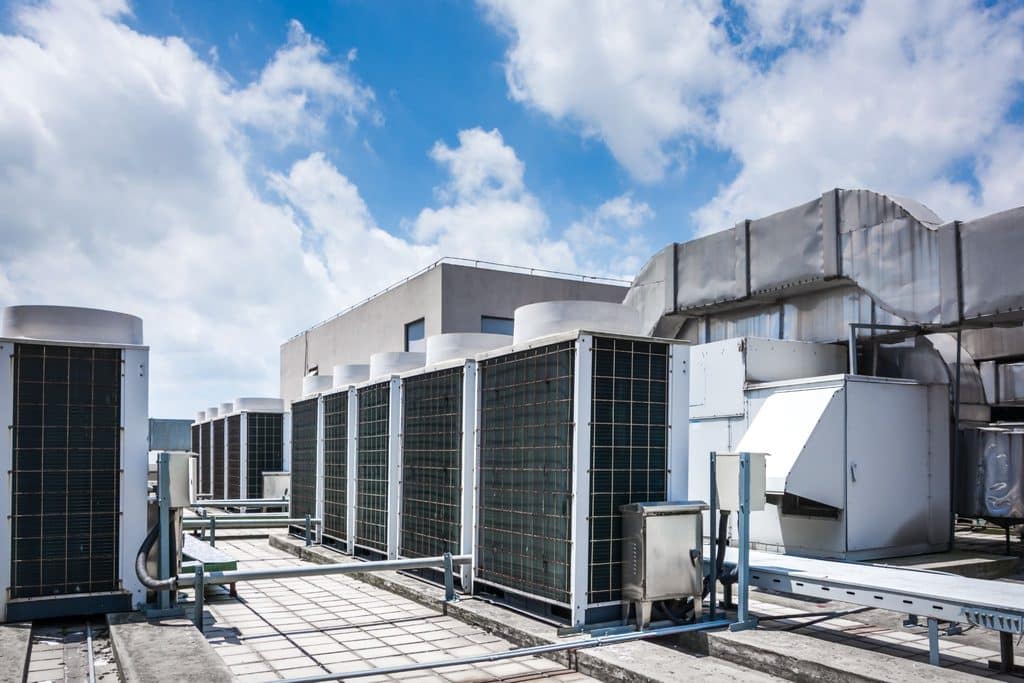
New York isn’t gentle on mechanical systems. And businesses here face conditions that equipment in a suburban office park never has to deal with.
Start with the weather. We swing from humid 95 degree afternoons to single digit wind chills, sometimes within the same few months. Systems that run hard in both directions wear out faster. Then add the buildings themselves. Plenty of NYC commercial spaces sit in older structures with tight mechanical rooms, rooftop units exposed to everything, and ductwork that’s been patched and rerouted by three different contractors over twenty years.
Density matters too. A packed restaurant, a busy gym, or a salon running dryers all day puts a heavy load on the system. So does a commercial kitchen, where cooking equipment dumps heat and moisture into the space for hours at a time.
That last point deserves more attention than it gets. Moisture is sneaky. When humidity climbs, your space feels hotter than the thermostat says, your system runs longer, and you start inviting condensation, musty odors, and mold into places you’d rather not think about. Getting a handle on indoor humidity control is one of those unglamorous fixes that makes the whole building run better, from comfort to equipment lifespan.
Your Air Quality Is Part of Your Customer Experience
People notice air before they notice almost anything else. They might not say “the ventilation in here is poor,” but they’ll say the place felt stuffy, or smelled off, or gave them a headache. That’s feedback about your HVAC system, even if nobody frames it that way.
The EPA’s indoor air quality resources point out that Americans spend about 90 percent of their time indoors, and that pollutant levels inside can often be higher than outside. For a business, that means your employees are breathing whatever your system circulates for eight or more hours a day. Clean filters, balanced airflow, and proper ventilation aren’t luxuries. They’re basic care for the people who keep your doors open.
The Kitchen Connection Most Owners Miss

If you run a food business, your HVAC and your kitchen equipment are more connected than they look on paper.
A struggling cooling system raises the ambient temperature in the kitchen. Your walk-in, reach-ins, and prep coolers then have to fight harder to hold temperature. Compressors cycle more. Components wear faster. And one day, usually during a rush, something gives.
That’s why I’d push any restaurant owner to think about service as a package rather than a set of separate emergencies. When one team understands your HVAC and your commercial kitchen appliance repair needs, they can spot the chain reaction before it starts. Juggling three vendors who each see one piece of the problem is how small issues become big ones.
What a Smart Maintenance Plan Actually Looks Like
Honestly, most businesses overcomplicate this. You don’t need a binder full of spreadsheets. You need a few habits done consistently, by people who know what they’re looking at.
- Seasonal tune-ups before the stress hits. Service cooling in spring and heating in fall, not in the middle of a heat wave when every technician in the city is booked.
- Filter changes on a real schedule. High-traffic spaces and kitchens often need them more frequently than the manufacturer’s baseline suggests.
- Coil and drain line cleaning. Dirty coils make systems work harder. Clogged drains cause leaks and water damage.
- Written records of every visit. These help with warranty claims, budgeting, and the eventual repair versus replace conversation.
The payoff isn’t just fewer breakdowns. It’s predictable. You know roughly what you’ll spend each year, and you stop getting ambushed.
One more thing worth knowing. If your building is over 25,000 square feet, New York’s Local Law 97 sets emissions limits you’ll need to meet, and efficient, well-maintained HVAC equipment is part of how buildings stay on the right side of those rules. Even smaller businesses benefit from the same thinking, since efficient systems cost less to run.
Choosing the Right HVAC NYC Partner
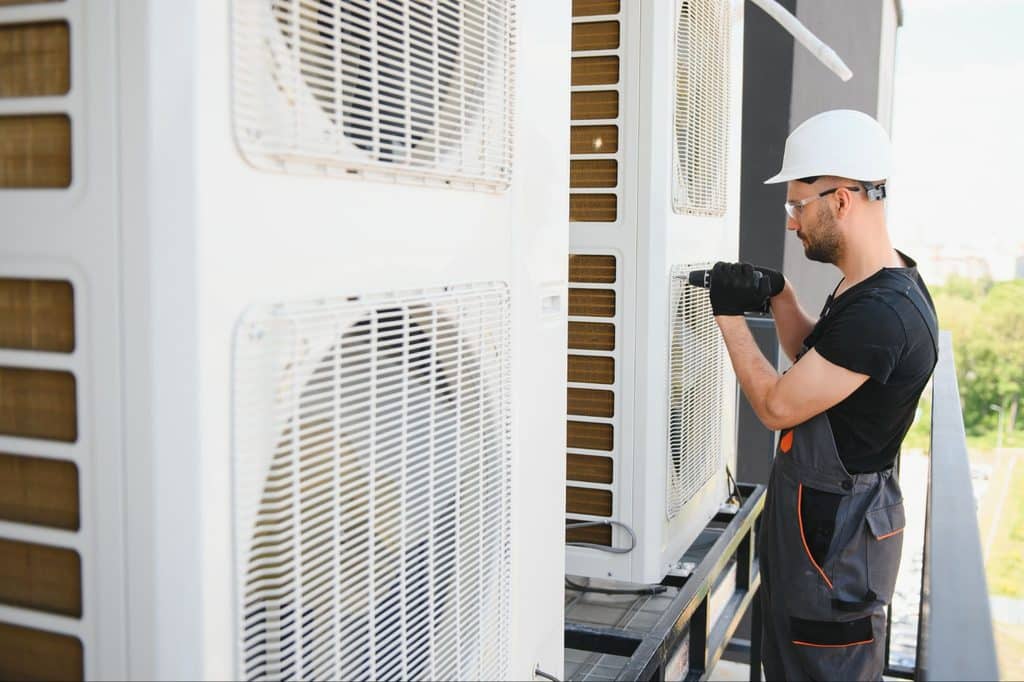
When something breaks, the temptation is to call whoever answers first. I get it. But the contractor you pick in a panic often becomes the contractor you’re stuck with, so it pays to vet someone before the emergency.
Look for a company that’s licensed and insured in New York. Ask whether their technicians are in-house or subcontracted. Ask about response times after hours, because a “24/7” promise means nothing if nobody picks up at 11 p.m. And ask for pricing up front. A trustworthy team tells you what the job costs before they start, not after.
Commercial experience matters as well. Fixing a rooftop unit in a restaurant is a different job than fixing a window unit in someone’s apartment. You want people who’ve worked in schools, kitchens, retail spaces, and institutional buildings, because they’ve already seen the weird problems your building is going to throw at them.
Ready to Stop Worrying About the Next Breakdown?
If you’re reading this because your system is already acting up, or because you’d rather not find out what happens during the next heat wave, now’s a good time to get ahead of it. Americare has served more than 13,000 customers across all five boroughs and Westchester since 2010, including NYC Public Schools and government facilities. Their licensed, in-house technicians handle commercial HVAC, refrigeration, and kitchen equipment under one roof, with honest pricing and 24/7 emergency response.
Whether you need a same-day repair or want to set up a maintenance plan that keeps your business running year-round, you can contact the Americare team here to schedule service or ask a few questions first. No pressure, just a straight answer.
Final Thoughts
Your HVAC system is one of those things you don’t think about until it’s the only thing you can think about. For a business in New York, that moment usually arrives at the worst possible time, with customers in the room and staff looking at you for answers.
You can’t control the weather. But you can control how ready you are for it. A little routine care, a trusted contractor on speed dial, and attention to the connected systems in your building go a long way. The businesses that rarely deal with downtime aren’t lucky. They just planned for it before everyone else did.