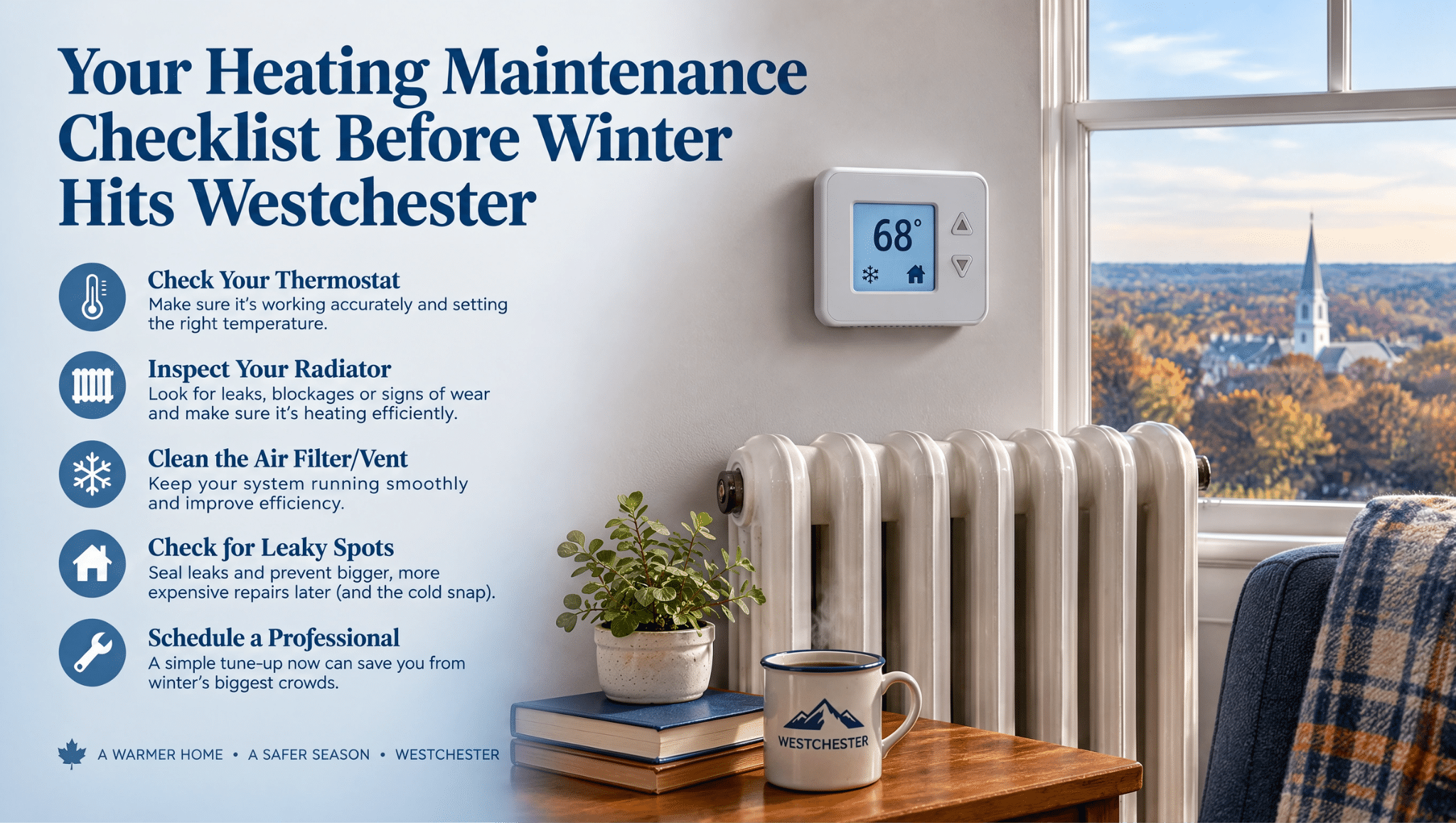
Your Heating Maintenance Checklist Before Winter Hits Westchester
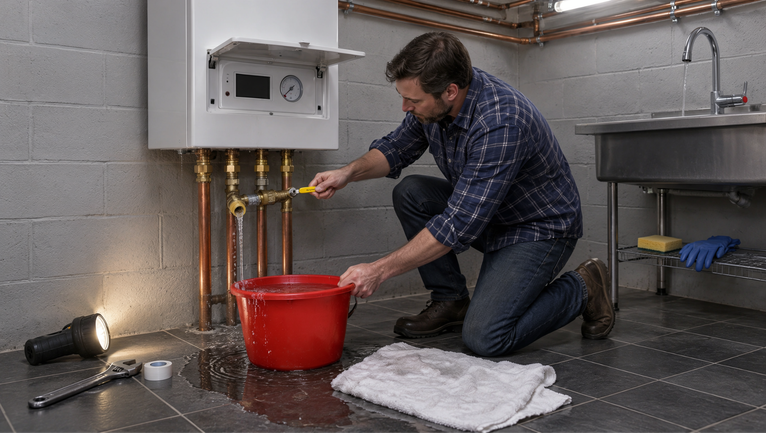
Last January, a homeowner in New Rochelle woke up to a 54-degree house and a boiler that wouldn’t fire. Every heating company in the county was booked for days, and the part he needed was back-ordered. The repair tech told him the problem, a failing circulator pump, would have been obvious during routine heating maintenance in the fall. That’s the whole argument for this checklist in one story.
Westchester winters are hard on heating systems. We get stretches of single-digit nights, wet nor’easters, and long weeks where the furnace or boiler barely rests. Equipment that limped through October often gives up in the first real cold snap.
So here’s a practical checklist you can work through now, split into what you can handle yourself and what really needs a licensed technician.
Why Fall Heating Maintenance Pays for Itself
Think of heating maintenance as cheap insurance. A tune-up costs a fraction of an emergency repair, and it catches the small stuff (a dirty flame sensor, a weak igniter, a slow leak) before it becomes a no-heat call at 2 a.m.
There’s an efficiency payoff too. A clean, well-adjusted system burns less fuel to deliver the same heat. The U.S. Department of Energy’s guide to furnaces and boilers recommends having your system serviced regularly and explains how much an older, poorly maintained unit can waste. With heating bills climbing every winter, that adds up fast.
And timing matters. Book in September, October, or early November and you’ll usually get an appointment within days. Wait until the first freeze and you’re in line behind everyone else.
The DIY Heating Maintenance Checklist
These heating maintenance steps are safe for most homeowners and take about an hour. Do them before you rely on the heat every night.
Replace or clean the air filter
If you only do one thing on this list, do this. A clogged filter forces a furnace to work harder, raises your bill, and can trip safety switches that shut the burners off. Check it monthly during winter and replace it whenever you can’t see light through it.
Test the thermostat
Set it to “Heat,” raise the temperature a few degrees, and listen for the system to start within a couple of minutes. Swap the batteries while you’re at it. If you still have an old manual thermostat, a programmable or smart model is one of the easiest upgrades you can make.
Clear the area around your furnace or boiler
Basements collect clutter. Holiday decorations, paint cans, and laundry piles have no business near a heating appliance. Keep at least three feet clear on all sides. It’s the simplest heating maintenance task there is, and one of the most skipped.
Open and vacuum every vent and radiator
Walk the house. Make sure supply registers and return grilles aren’t blocked by furniture or rugs. If you have radiators, dust them and check that nothing is covering them.
Bleed your radiators (hot water systems)
If some radiators stay cold at the top while the bottom is warm, trapped air is the likely cause. A radiator key from any hardware store lets you open the bleed valve until water appears. Keep a towel handy.
Test your smoke and carbon monoxide detectors
Press the test button on every unit and replace the batteries. This is the most important safety step in all of heating maintenance, and it costs almost nothing.
What a Professional Tune-Up Should Cover
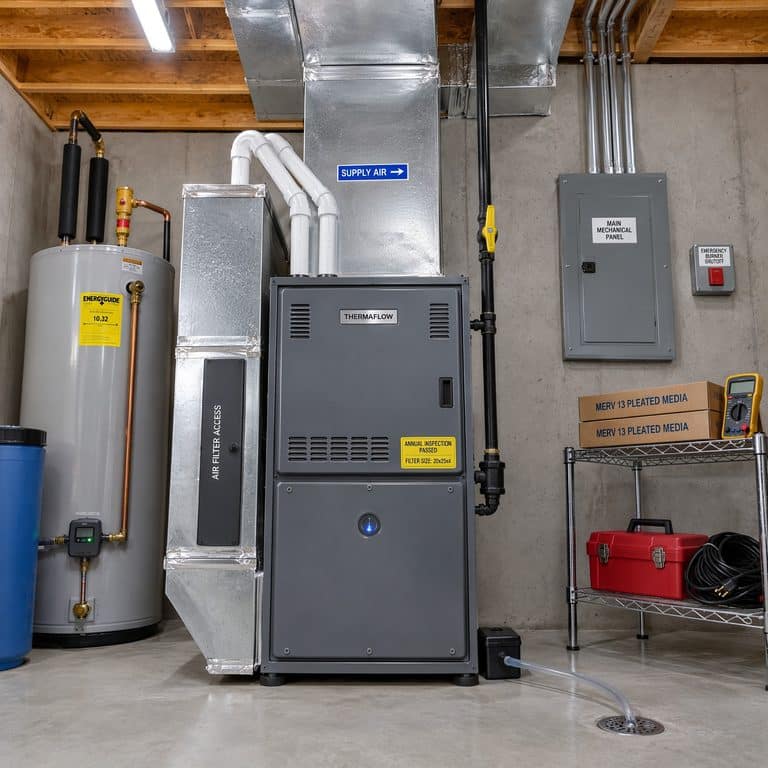
Here’s where I’d draw a firm line. Anything involving gas, burners, combustion, or the inside of the cabinet belongs with a licensed technician. A thorough professional heating maintenance visit should include:
- Inspecting the heat exchanger for cracks that could leak carbon monoxide
- Cleaning and testing the burners, igniter, and flame sensor
- Checking gas pressure and safe venting through the flue or chimney
- Testing safety controls and limit switches
- Lubricating motors and checking the blower or circulator pump
- Checking boiler pressure, the expansion tank, and relief valves on hydronic systems
- Clearing the condensate line on high-efficiency units
If a technician shows up, changes your filter, and leaves in 15 minutes, that wasn’t real heating maintenance. Ask what they checked. A good company will hand you a written report.
Safety Isn’t Optional
Skipping heating maintenance isn’t only a comfort issue. Heating equipment is one of the leading causes of home fires in the United States, especially in December, January, and February. The National Fire Protection Association’s heating safety guidance covers the basics: keep anything that can burn away from heat sources, have equipment inspected every year, and never use an oven to heat your home.
Space heaters deserve a special mention. If you need one for a drafty room, plug it directly into a wall outlet (never an extension cord) and turn it off when you leave the room or go to sleep.
Don’t Forget Indoor Air and Comfort
A heating system can be working perfectly and the house can still feel uncomfortable. Furnaces dry out the air over the winter, and dry air makes 70 degrees feel like 66. You’ll notice static shocks, cracked lips, and wood floors that start to gap.
That’s why I’d add humidity to your heating maintenance plan. Getting a handle on indoor humidity control keeps the house more comfortable at a lower thermostat setting, which helps your bill too.
A Quick Note for Business Owners
Everything above applies to commercial spaces, just with higher stakes. A restaurant, retail shop, or office without heat in January loses customers and productivity by the hour. Commercial heating maintenance should be on a fixed schedule, ideally under a service contract. This piece on protecting your business from costly HVAC downtime explains why.
Book Your Heating Tune-Up Before the Rush
If you’d rather not wait for the first freeze to find out what’s wrong, Americare can take care of your heating maintenance now. Their licensed, in-house technicians service furnaces, boilers, and heat pumps across Westchester, Long Island, and the five boroughs, and they’ve served more than 13,000 customers since 2010. The Americare Membership Plan also covers seasonal tune-ups with priority scheduling, so you’re first in line when the weather turns.
You can contact the Americare team here to schedule a tune-up or ask about the membership plan.
Final Thoughts
Nobody gets excited about heating maintenance. It’s not a kitchen remodel or a new car. But it’s the difference between a quiet, warm January and a cold morning spent calling around for an emergency appointment. Spend an hour on the DIY list this weekend, book a professional tune-up before December, and test those detectors. Then let winter do its worst.