Protecting Your NYC Commercial Walk-Ins to Survive the Upcoming Humidity
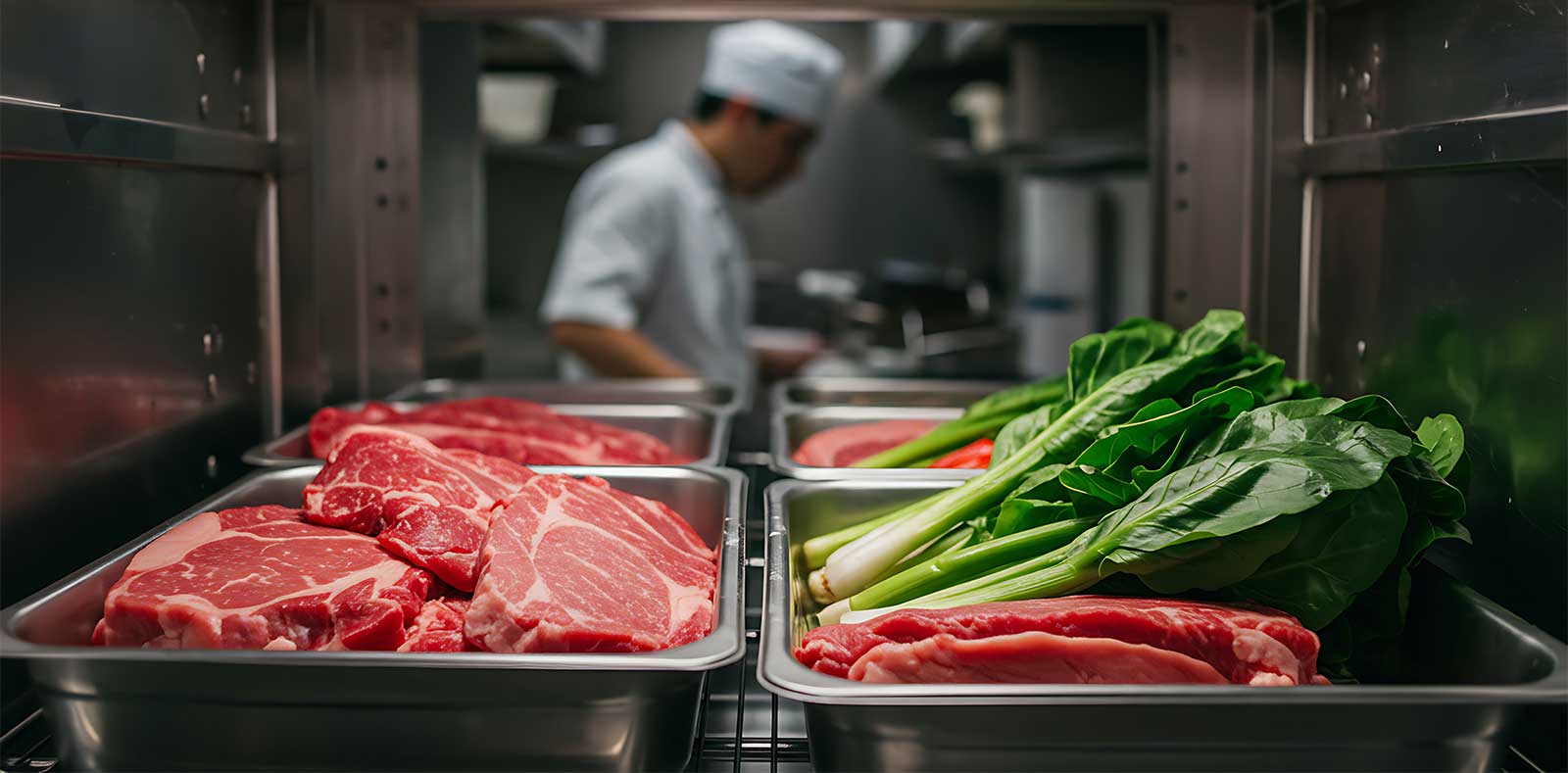
NYC kitchens are already hot and busy, but summer humidity makes your walk-in cooler or freezer work even harder.
Many Manhattan and Brooklyn restaurants have kitchens in small, poorly ventilated spaces or basements, where it’s already very hot before service starts.
If your system fails during a July dinner rush, you’re facing more than just downtime. You risk:
For restaurants in Manhattan, Brooklyn, Queens, the Bronx, Staten Island, and Long Island, proactive maintenance is more than just a choice. It’s indispensable for survival.
Direct Answer: How to Protect Your Walk-In Cooler in NYC
Regularly degreasing condenser coils, sealing gaskets, and clearing drain lines help keep your walk-in cooler running smoothly in NYC.
For best results, degrease condenser coils at least every three months, inspect and replace gaskets monthly, and clear drain lines monthly or as needed. These steps keep temperatures steady, prevent inventory loss, reduce breakdowns, and protect your health code status, especially during busy summer months.
Why NYC Humidity Is So Hard on Commercial Refrigeration
NYC is a tough place for refrigeration systems to operate.
In many basement kitchens and small urban layouts:
When humidity reaches 80 to 90 percent, your condenser has a hard time releasing heat. It cannot release heat properly.
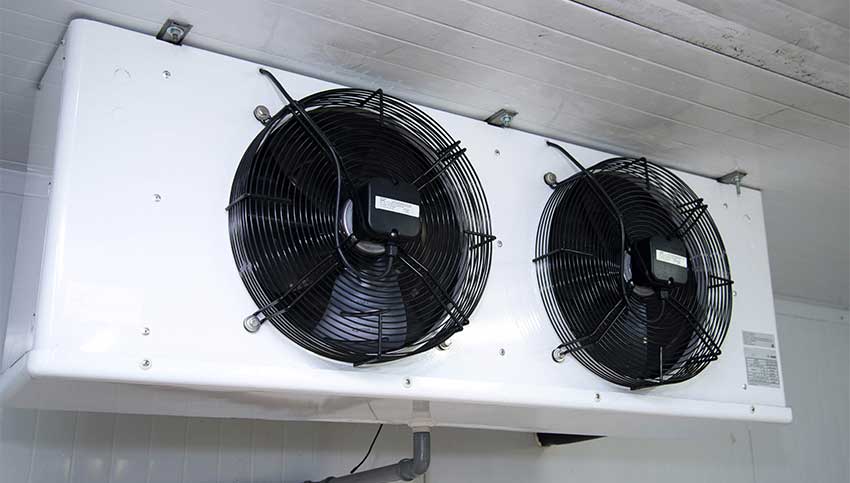
This creates constant strain on your system, especially in older or heavily used units. With more than ten years of experience working in New York, Americare brings proven refrigeration expertise to help NYC kitchens handle summer conditions.
The 3 Critical Maintenance Tasks Every NYC Restaurant Needs
1. Condenser Coil Degreasing (not only cleaning)
In NYC, it’s not just dust, it’s:
These contaminants form a layer over your coils, trapping heat.
When this happens:
Light surface dust can usually be removed by your staff with a brush or vacuum, but proper degreasing of coils (especially in greasy or urban environments) should be performed by a professional technician. We carefully clean and degrease coils to help your system work at its best.
2. Gasket Integrity & Seal Protection
An aged door gasket is one of the quickest ways to lose temperature control.
In humid NYC kitchens:
This leads to:
Don’t let a worn gasket put your health code rating at risk.
3. Drain Line Clearing (Critical for Compliance)
High humidity means more condensation.
If your drain line is clogged:
Regularly clearing your drain lines stops water from backing up, keeps things sanitary, helps you avoid violations, and keeps your walk-in running safely.
Protect Your “A” Rating, Not Just Your Equipment
In New York City, your refrigeration system affects more than just your food. It also impacts your letter grade.
A malfunctioning walk-in can lead to:
This can lead to fines and make customers trust you less.
Our inspections help ensure:
This way, your kitchen is always ready for inspection.
Warning Signs Your Walk-In Is About to Fail
If you notice any of the following, act immediately:
These are early signs that your system is overloaded, especially when humidity is high.
The Real Cost of a Walk-In Failure in NYC
A breakdown is more than merely a repair bill. It disrupts your business.
You could be facing:
In NYC’s competitive restaurant scene, a single failure can affect your whole operation.
A Smarter Approach: Pre-Summer Maintenance
The best time to service your system is before the summer heat arrives in the Five Boroughs.
Americare has been serving NYC since 2010, providing:
Explore our commercial refrigeration services.
Already having issues? Explore our freezer repair services.
We know how stressful a busy kitchen can be, and we respond quickly to help.
Book a Pre-Summer Inspection Before the Heatwave Hits
Avoid expensive service interruptions. Contact us today to schedule your inspection befo before summer.
Contact us to schedule your walk-in inspection now.
Keep your inventory, service, and reputation safe.